 1388xx888xx
 1388xx888xx@gmail.com


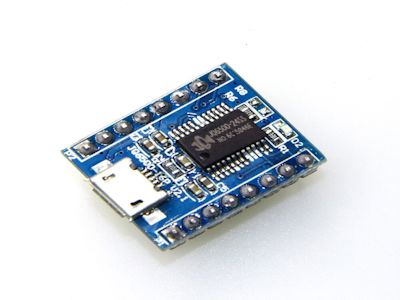
В мире технологий, где скорость, надежность и универсальность имеют первостепенное значение, карточные слоты-соединители стали настоящей революцией. Эти небольшие, но мощные компоненты коренным образом изменили то, как мы подключаем и взаимодействуем с устройствами, от смартфонов и ноутбуков до промышленного оборудования. В этой статье мы погрузимся в историю, преимущества, инновации и будущее карточных слотов-соединителей, демонстрируя, почему они являются ключевым элементом современной электроники.
Исторический контекст: от простых разъемов к умным решениям
История карточных слотов начинается с ранних дней вычислительной техники, когда разъемы были громоздкими и ненадежными. В 1980-х годах, с появлением персональных компьютеров, инженеры начали искать более эффективные способы подключения периферийных устройств. Первые карточные слоты, такие как PCMCIA (персональная компьютерная карта памяти международной ассоциации), появились в 1990-х годах и позволили пользователям легко добавлять функциональность, например, модемы или дополнительные порты, через съемные карты. Однако эти ранние версии были ограничены в скорости и совместимости.
С течением времени технологии эволюционировали. Введение стандартов, таких как PCI Express (Peripheral Component Interconnect Express), в начале 2000-х годов ознаменовало значительный скачок вперед. PCIe слоты обеспечили высокоскоростную передачу данных, что сделало их идеальными для графических карт, сетевых адаптеров и хранилищ. Параллельно, в мобильных устройствах, microSD и SIM-слоты стали стандартом для расширения памяти и подключения к сетям. Эта эволюция подчеркивает, как карточные слоты адаптировались к растущим потребностям потребителей и отраслей.
Сегодня, карточные слоты-соединители представляют собой sophisticated решения, интегрирующие множественные функции в компактных форматах. Они не только облегчают физическое подключение, но и поддерживают advanced protocols, такие как USB-C с его универсальностью или Thunderbolt для сверхбыстрой передачи данных. This historical journey shows a clear trend towards miniaturization, increased bandwidth, and enhanced reliability, setting the stage for the current revolution in device connectivity.
Преимущества карточных слотов-соединителей: почему они так важны
Карточные слоты-соединители предлагают множество преимуществ, которые делают их незаменимыми в современной электронике. Во-первых, их компактный размер позволяет производителям создавать более тонкие и легкие устройства без ущерба для функциональности. Например, в смартфонах, microSD слоты enable пользователям расширять storage capacity без увеличения physical dimensions устройства. Это особенно важно в эпоху, когда потребители demand портативность и high performance.
Во-вторых, эти соединители обеспечивают высокую скорость передачи данных. Слоты PCIe 4.0 и 5.0 могут достигать speeds до 16 GT/s (гигатрансферов в секунду), что критически важно для applications, таких как gaming, video editing, и AI processing. Кроме того, карточные слоты often поддерживают hot-swapping, allowing пользователям добавлять или удалять devices без необходимости перезагрузки системы. This feature enhances usability and reduces downtime in professional environments.
Третье преимущество — универсальность и совместимость. Многие карточные слоты designed в соответствии с industry standards, ensuring что устройства от разных производителей могут работать together seamlessly. For instance, SD card slots are ubiquitous in cameras, laptops, and other gadgets, providing a common interface for data storage. This interoperability reduces costs for consumers and fosters innovation by allowing developers to focus on enhancing functionality rather than reinventing connectivity solutions.
Наконец, надежность и долговечность являются key factors. Modern card slots are built with materials that resist wear and tear, such as gold-plated contacts that prevent corrosion. They are also designed to withstand多次 insertions and removals, making them ideal for daily use. In industrial applications, where conditions can be harsh, specialized card slots offer enhanced durability against factors like vibration, temperature extremes, and moisture. These advantages collectively contribute to the revolutionary impact of card slot connectors on device connectivity.
Последние инновации: как технологии pushing boundaries
В последние годы, инновации в карточных слотах-соединителях accelerated, driven by demands for higher performance and greater integration. One notable advancement is the integration of multiple functions into single slots. For example, the USB4 standard combines data transfer, video output, and power delivery into one connector, simplifying device design and improving user experience. Similarly, NVMe (Non-Volatile Memory Express) over PCIe has revolutionized storage by enabling lightning-fast access to SSDs, reducing boot times and improving application responsiveness.
Another cutting-edge innovation is the use of advanced materials and manufacturing techniques. Companies are experimenting with nanomaterials and 3D printing to create slimmer, more efficient connectors that consume less power. For instance, some latest card slots incorporate graphene-based components, which offer superior conductivity and thermal management. Additionally, wireless card slots are emerging, using technologies like NFC (Near Field Communication) or wireless charging to enable contactless data transfer and power, though these are still in early stages compared to physical slots.
Artificial intelligence and IoT (Internet of Things) are also influencing card slot design. Smart connectors can now detect the type of device connected and automatically configure settings for optimal performance. In IoT devices, card slots are used to add sensors or communication modules, enabling seamless integration into smart homes and cities. For example, a single slot in a smart thermostat might accept cards for Wi-Fi, Zigbee, or environmental sensors, allowing customization based on user needs.
Moreover, security features have become a priority. Modern card slots often include encryption capabilities to protect data during transfer. Technologies like TPM (Trusted Platform Module) integrated into slots ensure that only authorized devices can access sensitive information, mitigating risks of cyber attacks. These innovations not only enhance functionality but also address growing concerns about privacy and data integrity in connected devices.
Влияние на различные отрасли: от потребительской электроники до промышленности
Карточные слоты-соединители оказали profound impact across multiple industries, transforming how devices are used and maintained. In consumer electronics, they are ubiquitous. Smartphones rely on SIM and microSD slots for connectivity and storage expansion. Laptops and tablets use various card slots for adding graphics cards, network adapters, or additional storage via NVMe slots. This flexibility allows users to upgrade their devices without replacing the entire unit, extending product lifecycles and reducing electronic waste.
In the automotive industry, card slots are integral to infotainment systems and telematics. Vehicles often feature SD card slots for navigation maps or multimedia content, while specialized connectors enable diagnostics and firmware updates. For example, mechanics use card slots to plug in diagnostic tools that read error codes and performance data from the car's ECU (Engine Control Unit), facilitating quicker repairs and maintenance.
The healthcare sector benefits significantly from card slot technology. Medical devices, such as patient monitors and imaging equipment, use card slots to add modules for specific functions like wireless connectivity or data logging. This modularity allows hospitals to customize equipment based on patient needs, improving efficiency and care quality. Additionally, card slots in portable medical devices enable easy data transfer to electronic health records, enhancing accuracy and accessibility of medical information.
In industrial and manufacturing settings, card slots are crucial for automation and control systems. PLCs (Programmable Logic Controllers) often have slots for adding I/O modules or communication cards, enabling flexible configuration of machinery. Robotics and IoT devices use card slots to integrate sensors and actuators, supporting Industry 4.0 initiatives. The reliability of these connectors in harsh environments ensures continuous operation, minimizing downtime and boosting productivity. Overall, the versatility of card slot connectors makes them a cornerstone of modern technology across diverse fields.
Будущее карточных слотов-соединителей: trends и predictions
Looking ahead, the future of card slot connectors is poised for even greater advancements. One key trend is the move towards even smaller form factors. As devices continue to shrink, connectors like nano-SIM or emerging standards for foldable and wearable electronics will become more prevalent. Researchers are working on molecular-scale connectors that could eventually replace physical slots with quantum-based interfaces, though this is still speculative.
Another direction is enhanced integration with wireless technologies. While physical slots will remain important for high-speed and secure connections, hybrid solutions that combine wired and wireless capabilities are likely to emerge. For instance, a card slot might support both PCIe for data transfer and wireless charging for power, offering the best of both worlds. This could lead to devices that are entirely slot-based for expansion, reducing the need for external ports.
Sustainability will also play a bigger role. Future card slots may be designed for easier recycling and made from biodegradable materials to address environmental concerns. Additionally, energy-efficient designs that minimize power consumption during data transfer will become standard, aligning with global efforts to reduce carbon footprints.
In terms of functionality, expect card slots to become smarter with embedded AI that predicts user needs and optimizes performance automatically. For example, a slot could detect when a storage card is nearing capacity and suggest cloud backup options. In healthcare, smart slots might monitor device health and schedule maintenance proactively. These innovations will further cement the revolutionary role of card slot connectors in the connectivity landscape.
In conclusion, the revolution brought by card slot connectors is ongoing and multifaceted. From their humble beginnings to current high-tech iterations, they have consistently driven progress in device connectivity. As technology evolves, these connectors will continue to adapt, offering new possibilities for innovation and efficiency. Whether in consumer gadgets, industrial machines, or medical equipment, card slot connectors are here to stay, shaping the future of how we connect and interact with the digital world.
Следующий пост: Двойной слой печатной платы преимущества для вашего устройства