 1388xx888xx
 1388xx888xx@gmail.com



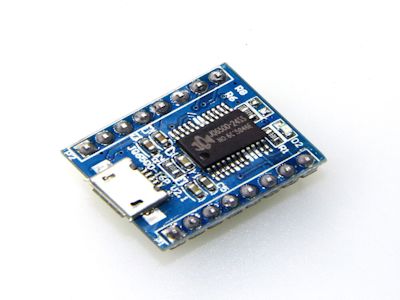
В современном мире электроники усилительные интегральные схемы играют ключевую роль в широком спектре приложений — от аудиоустройств и телекоммуникаций до промышленной автоматизации и медицинского оборудования. Разработка собственной системы с использованием надежных усилительных ИС может показаться сложной задачей, но с правильным подходом и глубоким пониманием принципов работы, это становится не только возможным, но и чрезвычайно rewarding. В этой статье мы подробно рассмотрим, как выбрать, интегрировать и оптимизировать усилительные интегральные схемы для ваших проектов, обеспечивая высокую производительность, надежность и эффективность.
1. Введение в усилительные интегральные схемы
Усилительные интегральные схемы (ИС) — это микроэлектронные компоненты, которые усиливают входные сигналы, такие как напряжение или ток, с минимальными искажениями. Они интегрированы в единый кристалл, что делает их компактными, энергоэффективными и надежными по сравнению с дискретными усилителями. Первые ИС были разработаны в 1960-х годах, и с тех пор они эволюционировали, предлагая улучшенные характеристики, такие как высокая полоса пропускания, низкий уровень шума и устойчивость к внешним воздействиям.
Основные типы усилительных ИС включают операционные усилители (op-amps), усилители мощности, инструментальные усилители и специализированные усилители для конкретных применений. Каждый тип имеет свои уникальные особенности, и выбор зависит от требований вашей системы. Например, op-amps идеальны для обработки сигналов в аудиоцепях, в то время как усилители мощности используются в выходных каскадах для управления нагрузками, такими как динамики или двигатели.
Надежность усилительных ИС критически важна, особенно в applications, где отказ может привести к серьезным последствиям, таким как в аэрокосмической или медицинской технике. Факторы, влияющие на надежность, включают качество изготовления, температурную стабильность, защиту от перегрузок и электромагнитной совместимости (EMC). При разработке системы необходимо учитывать эти аспекты, чтобы обеспечить долгосрочную работу без сбоев.
2. Основы работы усилительных ИС
Чтобы эффективно использовать усилительные ИС, важно понимать их базовые принципы. Усилитель typically состоит из нескольких транзисторных каскадов, которые увеличивают амплитуду входного сигнала. Ключевые параметры включают коэффициент усиления (gain), который определяет, во сколько раз выходной сигнал превышает входной; полосу пропускания (bandwidth), указывающую диапазон частот, который усилитель может обрабатывать; и входное/выходное impedance, влияющее на согласование с другими компонентами.
Коэффициент усиления часто выражается в децибелах (dB) и может быть настроен с помощью внешних резисторов в конфигурации с обратной связью. Например, в non-inverting op-amp конфигурации, gain рассчитывается как 1 + (R2/R1), где R1 и R2 — резисторы обратной связи. Это позволяет гибко адаптировать усилитель под конкретные needs.
Полоса пропускания ограничена внутренними емкостями и индуктивностями схемы, и для высокочастотных применений требуются ИС с широкой полосой. Шум — another critical factor; усилители генерируют внутренний шум, который может ухудшить качество сигнала, особенно в low-level applications. Выбор ИС с low-noise характеристиками essential для минимизации этого эффекта.
Температурная стабильность также важна; параметры усилителей могут drift с изменениями температуры, поэтому использование ИС с compensated design или external compensation networks помогает maintain performance across operating conditions.
3. Выбор подходящих усилительных ИС
Выбор правильной усилительной ИС — фундаментальный шаг в разработке системы. Начните с определения требований вашего application: какой тип сигнала нужно усиливать (e.g., audio, RF, DC), необходимый коэффициент усиления, полоса пропускания, уровень шума, и power requirements. Также considere environmental factors, такие как temperature range, humidity, and vibration, если system будет used в harsh conditions.
For general-purpose applications, op-amps like the LM741 or more modern variants such as the TL071 are popular choices due to their versatility and low cost. However, for high-precision needs, instrumental amplifiers like the INA114 offer excellent common-mode rejection, making them ideal for sensor interfaces in medical or industrial settings.
Power amplifiers, such as those based on Class AB or Class D topologies, are suited for driving loads like speakers or motors. For example, the TDA2030 is a common power amp IC for audio applications, providing up to 14W output with good thermal stability.
When selecting ICs, also evaluate datasheet parameters: supply voltage range, output current capability, and protection features like short-circuit protection and thermal shutdown. Reliability can be enhanced by choosing ICs from reputable manufacturers (e.g., Texas Instruments, Analog Devices) that undergo rigorous testing and offer long-term availability.
Additionally, consider the package type (e.g., DIP, SOIC, QFN) based on your PCB design constraints. Surface-mount packages are preferred for compact designs, while through-hole packages might be easier for prototyping.
4. Проектирование системы с усилительными ИС
Once you've selected the appropriate ICs, the next step is to design the system architecture. Start with a block diagram that outlines the signal flow from input to output, including stages like filtering, amplification, and output driving. This helps in identifying potential issues early, such as impedance mismatches or noise injection points.
For the amplifier stage, design the feedback network to achieve the desired gain and stability. Use simulation tools like SPICE to model the circuit behavior before building a prototype. This allows you to tweak component values and optimize performance without physical iterations.
Power supply design is crucial; ensure that the supply voltage is within the IC's specified range and that decoupling capacitors are placed close to the power pins to suppress noise and oscillations. For example, a 0.1μF ceramic capacitor near each power pin can significantly improve stability.
Thermal management is another key aspect; power dissipating amplifiers may require heat sinks or forced air cooling to prevent overheating, which can degrade performance or cause failure. Calculate the power dissipation based on the output power and efficiency, and select heat sinks accordingly.
Incorporate protection circuits, such as current limiting or voltage clamping, to safeguard the IC from overloads. For instance, adding a fuse or polyfuse in series with the supply can protect against short circuits.
Finally, consider electromagnetic compatibility (EMC); use shielding and proper grounding techniques to minimize interference from external sources. This is especially important in systems with sensitive analog signals.
5. Практические примеры и применения
To illustrate the concepts, let's explore a few practical examples of systems using reliable amplifier ICs.
Example 1: Audio Amplifier System
For a home audio system, you might use a Class AB power amplifier IC like the TDA2050. Design a circuit with input filtering to remove noise, a volume control potentiometer, and the amplifier stage. Ensure adequate heat sinking for the IC, as it can dissipate several watts during operation. This system provides high-fidelity sound output for speakers, with reliability ensured by over-temperature protection built into the IC.
Example 2: Industrial Sensor Interface
In an industrial setting, amplify signals from a strain gauge sensor using an instrumental amplifier IC such as the INA125. This IC offers high common-mode rejection, making it ideal for rejecting noise in noisy environments. Design the system with shielded cables and proper grounding to maintain signal integrity. The amplified output can be fed to an ADC for digital processing, enabling precise measurement in applications like weight sensing or structural monitoring.
Example 3: RF Communication System
For RF applications, use a wideband amplifier IC like the MAR-6 from Mini-Circuits. This MMIC (Monolithic Microwave Integrated Circuit) provides gain up to several GHz, suitable for signal boosting in transmitters or receivers. Design matching networks using microstrip lines on the PCB to ensure maximum power transfer and minimize reflections. Reliability is enhanced by operating within the specified power levels and using EMC-compliant enclosures.
These examples demonstrate how tailored amplifier IC selections and careful design can lead to robust systems across various domains.
6. Советы по обеспечению надежности
Ensuring reliability in your amplifier-based system involves several best practices. First, always derate components; operate ICs below their maximum ratings (e.g., 80% of max voltage or current) to extend lifespan and reduce failure rates.
Implement redundancy where critical; for instance, use multiple amplifier stages in parallel with voting logic in safety-critical systems. This way, if one IC fails, others can take over.
Regular testing and burn-in procedures can identify early failures. Subject prototypes to accelerated life tests, such as thermal cycling or vibration tests, to simulate years of operation in a short time.
Use high-quality components from trusted suppliers to avoid counterfeit parts, which are common in the electronics market and can lead to unpredictable failures.
Monitor system health in real-time if possible; incorporate sensors to track temperature, voltage, and current, and use microcontrollers to trigger alarms or shutdowns if parameters exceed safe limits.
Finally, document your design thoroughly, including schematics, bill of materials, and test procedures. This aids in troubleshooting and future upgrades, ensuring long-term maintainability.
7. Заключение и будущие тенденции
Разработка системы с надежными усилительными интегральными схемами — это multidisciplinary процесс, требующий знаний в электронике, проектировании и обеспечении качества. Следуя описанным шагам — от выбора ИС до проектирования и тестирования — вы можете создавать системы, которые не только meet performance requirements но и offer exceptional reliability.
В будущем мы можем ожидать дальнейшей миниатюризации и интеграции усилительных ИС, с advancements в материалах like GaN (gallium nitride) для higher efficiency and power density. Также, рост IoT и умных устройств будет drive demand for low-power, high-reliability amplifiers that can operate in diverse environments.
Embrace these trends by staying updated with latest IC releases and design techniques. Whether you're a hobbyist or a professional engineer, the ability to develop reliable amplifier systems will remain a valuable skill in the ever-evolving field of electronics.
Надеемся, эта статья вдохновит вас на создание инновационных и dependable systems. Удачи в ваших проектах!
Следующий пост: Экологичные светодиоды экономия энергии на десятилетия