 1388xx888xx
 1388xx888xx@gmail.com



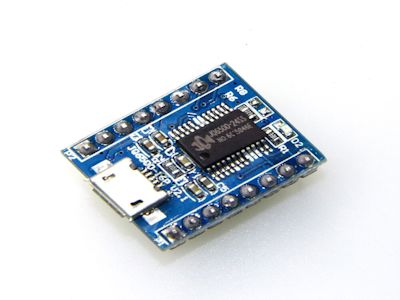
В мире технологий не существует ничего более захватывающего, чем революционные изменения, которые кардинально преобразуют наш повседневный опыт. Среди множества инноваций, LED-дисплеи выделяются как один из наиболее значительных прорывов, переопределяющих то, как мы видим и взаимодействуем с цифровым контентом. От скромных начал до современных чудес, LED-технология прошла долгий путь, предлагая беспрецедентную яркость, контрастность и энергоэффективность. В этой статье мы погрузимся в глубины LED-революции, исследуя её историю, технологические основы, текущие применения и будущие тенденции, демонстрируя, как она продолжает улучшать нашу визуальную реальность.
История LED-дисплеев начинается в 1960-х годах, когда были разработаны первые светодиоды (LED). Изначально они использовались как индикаторы в электронных устройствах из-за их низкого энергопотребления и долговечности. Однако, с течением времени, advancements in materials science and manufacturing processes allowed for the creation of full-color displays. К 1990-м годам, LED-экраны стали появляться в общественных местах, таких как стадионы и аэропорты, предлагая крупномасштабную визуализацию. Ключевым моментом стало изобретение органических светодиодов (OLED) и micro-LED, которые further enhanced image quality and flexibility. Сегодня, LED-технология интегрирована во всё: от смартфонов и телевизоров до уличных рекламных щитов и виртуальной реальности, делая её неотъемлемой частью современной жизни.
Основная технология behind LED displays relies on semiconductors that emit light when an electric current passes through them. Unlike traditional LCDs that require a backlight, LEDs are self-emissive, meaning each pixel produces its own light. This results in superior black levels, higher contrast ratios, and faster response times. Key components include red, green, and blue LEDs that combine to create a full spectrum of colors. Innovations like quantum dots and HDR (High Dynamic Range) have further improved color accuracy and brightness. Additionally, the development of flexible and transparent LEDs has opened up new possibilities for innovative designs, such as curved screens and see-through displays. These technological advancements ensure that LED displays deliver an immersive and realistic visual experience that was once unimaginable.
LED-дисплеи находят применение в самых разнообразных сферах. В потребительской электронике, они power high-resolution TVs, monitors, and smartphones, providing users with crisp images and vibrant colors for entertainment and work. В профессиональных settings, они используются в цифровых Signage для рекламы и информации, а также в медицинских imaging для точной диагностики. В развлечениях, крупноформатные LED-экраны transform concerts, sports events, and cinemas into immersive experiences. Более того, в образовании и бизнесе, интерактивные LED-дисплеи facilitate collaboration and learning. С появлением IoT (Интернета вещей) и умных городов, LED-технология интегрируется в urban infrastructure для intelligent lighting and information displays, enhancing public safety and efficiency.
Преимущества LED-дисплеев многочисленны. Они предлагают exceptional energy efficiency compared to older technologies like CRT or plasma, reducing electricity costs and environmental impact. Their longevity and durability mean fewer replacements and lower maintenance. The ability to achieve high brightness levels makes them ideal for outdoor use, even in direct sunlight. Furthermore, their slim profiles and lightweight designs allow for easy installation in various environments. From a user perspective, LED displays provide a more comfortable viewing experience with reduced eye strain due to better color rendering and flicker-free operation. These benefits collectively contribute to a enhanced visual体验 that is both practical and enjoyable.
Несмотря на прогресс, LED-технология сталкивается с некоторыми вызовами. Стоимость production, особенно для advanced variants like OLED and micro-LED, remains high, limiting accessibility for some consumers. Issues such as burn-in (где images persist on the screen) can occur in certain types of LEDs, though improvements are continuously made. Additionally, the environmental impact of manufacturing and disposing of LED components requires attention, prompting efforts towards recycling and sustainable practices. However, ongoing research and development are addressing these challenges. For instance, innovations in nanomaterials and manufacturing techniques are driving down costs while enhancing performance. The future promises even more breakthroughs, such as foldable and rollable displays, integration with AR/VR, and AI-driven adaptive visuals that will further revolutionize how we perceive and interact with digital content.
В заключение, LED-революция не просто изменила displays; она переопределила саму суть визуального опыта. От кино до повседневного общения, эти технологии делают мир более ярким, ясным и connected. Поскольку инновации продолжают развиваться, мы можем ожидать ещё более захватывающих изменений, которые будут продолжать улучшать нашу жизнь. Embrace the LED revolution and discover a new dimension of visual excellence.
Следующий пост: Раскрываем главный секрет IR LED почему все производители скрывают